by Supbotive | Sep 21, 2026 | AI Customer Support Automation
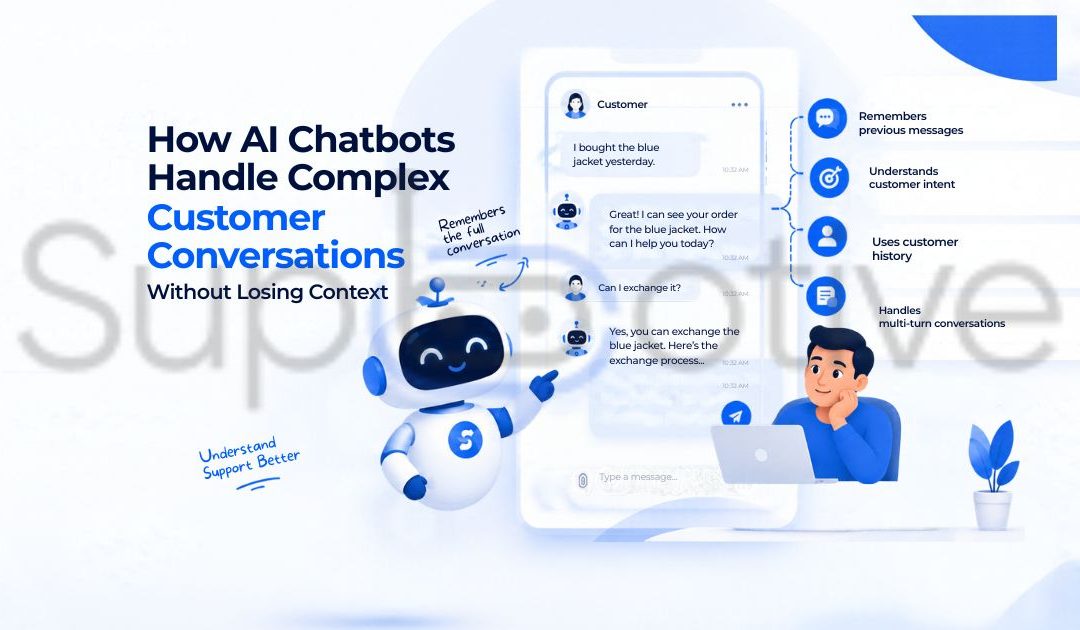
An AI chatbot maintains conversation context by remembering previous messages, understanding customer intent, tracking conversation history, and using relevant customer information to provide accurate responses across multiple interactions. Unlike traditional chatbots...
by Supbotive | Aug 28, 2026 | AI Customer Support Automation
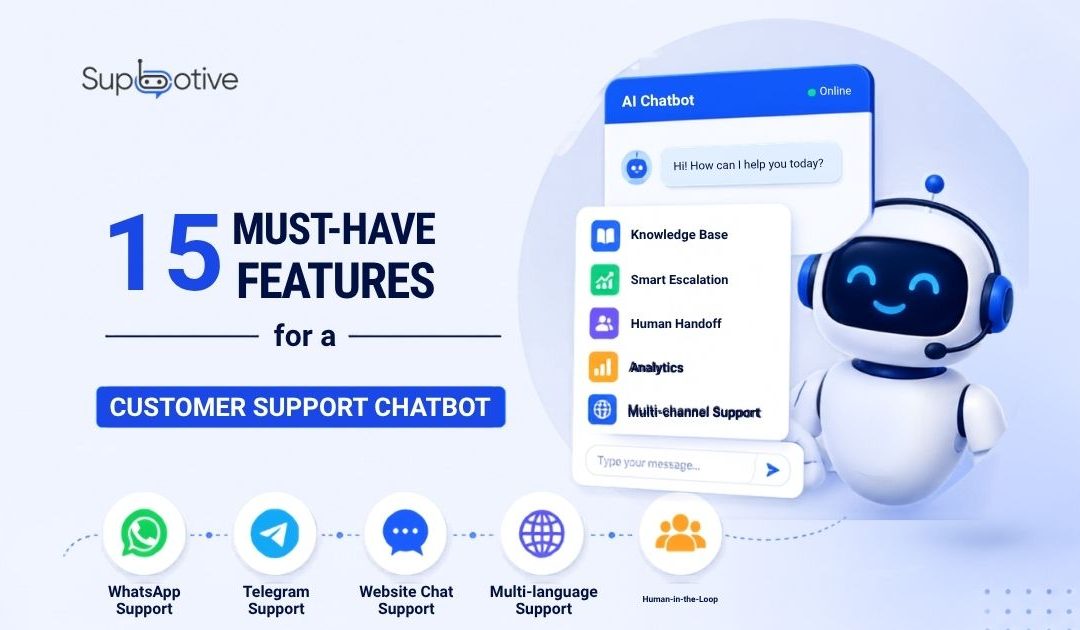
A strong customer support chatbot should do more than reply quickly. It should understand customer questions, search your approved knowledge base, give accurate answers, escalate complex issues to human agents, and improve over time from real conversations. The best...
by Supbotive | Aug 13, 2026 | AI Customer Support Automation
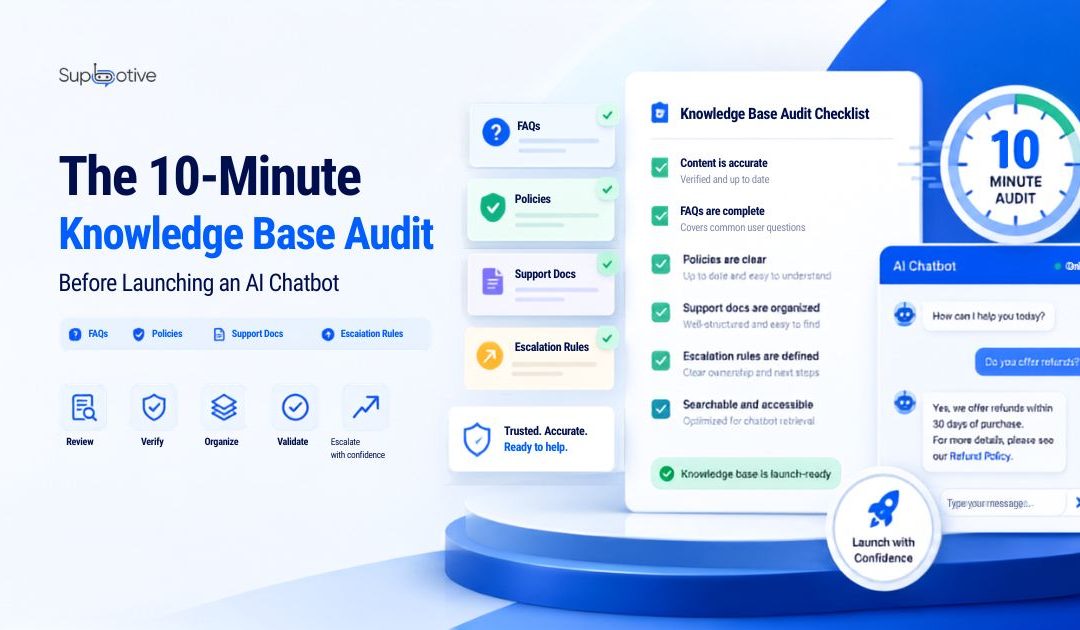
TL; DR Before you launch an AI chatbot, check your knowledge base first. Make sure your FAQs, policies, support answers, escalation rules, and customer-facing instructions are clear, updated, and easy to understand. A chatbot is only as good as the information it...

by Supbotive | Aug 3, 2026 | AI Customer Support Automation
Most articles about the benefits of AI in customer service say the same things: “24/7 availability,” “cost savings,” “faster replies,” and “better customer experience.” Those are not wrong, but they are incomplete. The real question is what those benefits actually...
by Supbotive | Jul 3, 2026 | AI Customer Support Automation
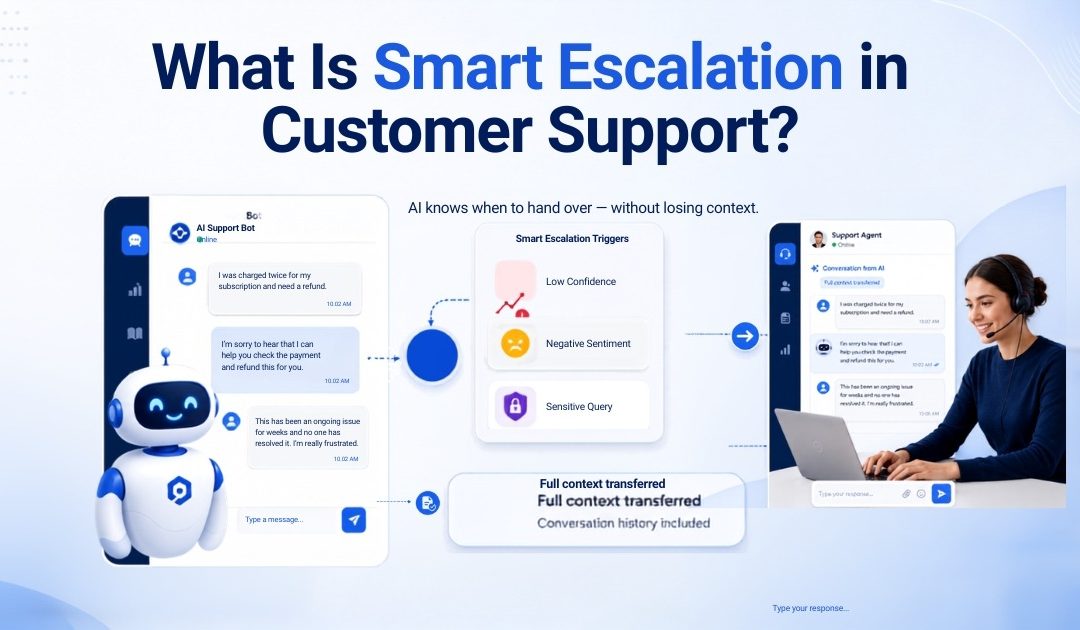
Smart escalation is the process an AI chatbot uses to decide automatically when a customer’s conversation should be transferred to a human agent. It uses confidence scores, sentiment analysis, and query-type rules to make that decision while transferring the...
by Supbotive | Jul 2, 2026 | AI Customer Support Automation
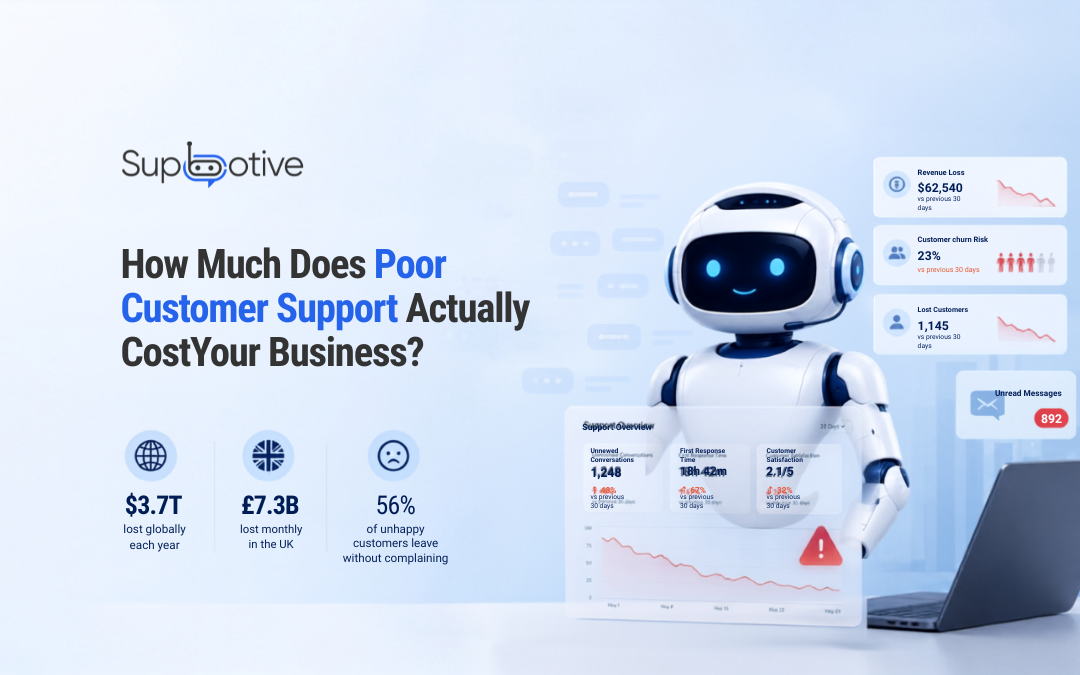
Poor customer service costs global businesses an estimated $3.7 trillion every year. In the UK alone, service failures cost organizations £7.3 billion every month. Most of that cost is invisible because 56% of unhappy customers never complain before leaving. They...